Why Homeowners Choose Renovation Over Replacement
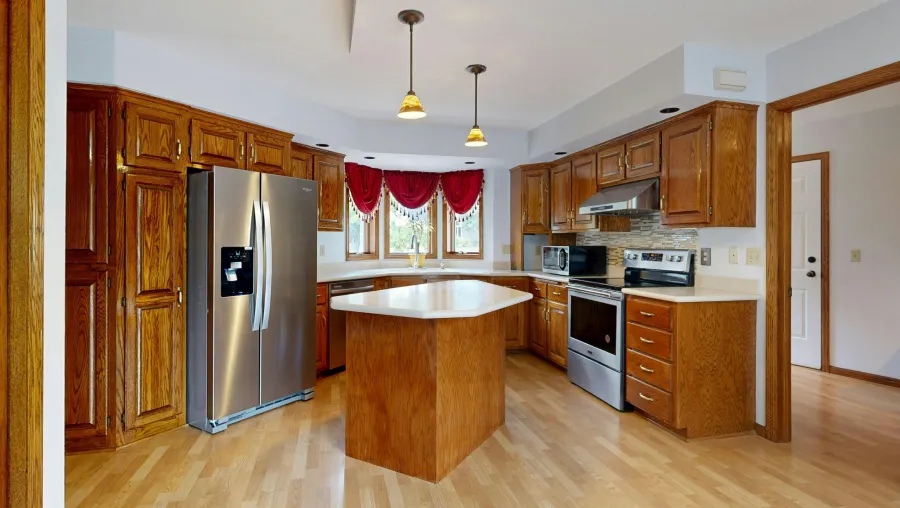
Choosing to renovate rather than relocate allows homeowners to maintain their established roots while creating a space that better serves their needs. Many residential properties in the Spokane region were constructed with solid foundations and quality framing that remain structurally sound decades later. Rather than starting over in a new location, updating key areas like kitchens, bathrooms, and living spaces can transform how a home functions without the disruption of moving.
Renovation offers control over materials, finishes, and layout decisions that purchasing an existing property cannot match. Homeowners who value specific neighborhood characteristics, school districts, or proximity to work often find that improving their current residence makes more financial and practical sense than searching for a new home that may require compromise in other areas.
The process begins with identifying which spaces need the most attention and how those improvements align with long-term goals. Whether the priority is increasing square footage, modernizing outdated systems, or enhancing curb appeal, a well-planned renovation addresses specific pain points while preserving what already works. In areas with established housing stock, thoughtful updates can significantly improve comfort and functionality without the expense and uncertainty of new construction.
Planning Your Project From Concept to Completion
Successful renovations start with clear objectives and realistic timelines. Before any work begins, homeowners should define what they want to achieve, whether that means reconfiguring a cramped kitchen layout, adding a bathroom, or converting unused space into functional living areas. Understanding the scope helps establish a budget that accounts for materials, labor, permits, and contingencies for unexpected discoveries once walls are opened.
During the planning phase, decisions about finishes, fixtures, and structural modifications should be finalized to avoid costly changes mid-project. Selecting cabinets, countertops, flooring, and hardware ahead of time ensures materials arrive when needed and keeps the schedule on track. Lead times for custom elements can extend several weeks, so early ordering prevents delays that disrupt the workflow.
Working with a licensed professional who can assess existing conditions and identify potential challenges before construction starts reduces the likelihood of surprises. Older homes may have outdated electrical panels, undersized plumbing, or insulation gaps that need addressing to meet current building standards. A thorough pre-construction evaluation allows for accurate cost estimates and prevents budget overruns caused by unforeseen structural issues. Clear communication throughout the process ensures everyone stays aligned on expectations, timelines, and deliverables.
How Custom Cabinetry and Millwork Elevate Finished Spaces
Custom cabinetry transforms ordinary spaces into tailored environments designed around how homeowners actually live. Stock cabinets offer limited sizing and configuration options, often leaving gaps or awkward proportions that compromise both aesthetics and storage capacity. Built-to-spec millwork maximizes every inch of available space, accommodates unique architectural features, and delivers a finished look that feels cohesive rather than assembled from generic components.
Quality craftsmanship in cabinetry extends beyond appearance. Solid construction techniques, durable joinery, and properly fitted doors ensure cabinets withstand daily use without sagging, warping, or requiring constant adjustment. Drawer boxes built with dovetail joints and full-extension slides perform better and last longer than budget alternatives. Hardware selection also plays a role in long-term functionality, with quality hinges and pulls maintaining smooth operation through years of repeated opening and closing.
In-house fabrication allows for better quality control and faster turnaround compared to ordering from distant manufacturers. When cabinetry is built locally, adjustments can be made quickly if field measurements reveal minor discrepancies, and installation scheduling remains flexible. Custom millwork also enables homeowners to choose specific wood species, stain colors, and design details that reflect personal style while maintaining the home’s overall character. The result is a finished product that looks intentional, fits precisely, and functions exactly as intended.
Addressing Hidden Issues Before They Become Bigger Problems
Renovation projects often uncover issues that were not visible during initial planning. Once drywall comes down or flooring is removed, problems like outdated wiring, insufficient insulation, or moisture damage may emerge. While these discoveries can feel like setbacks, addressing them during an active renovation prevents more serious failures down the road and ensures the finished space meets current safety and performance standards.
In regions with cold winters and temperature swings, hidden moisture intrusion can compromise structural integrity over time. Leaky windows, inadequate vapor barriers, or poorly vented bathrooms create conditions where mold and wood rot develop unnoticed. Catching these issues during a renovation allows for proper remediation before new finishes are installed. Upgrading insulation, sealing air leaks, and installing moisture-resistant materials protects the investment and improves energy efficiency.
Electrical and plumbing systems in older homes may not meet current code requirements or handle modern demands. Undersized panels struggle with the load from contemporary appliances and electronics, while outdated plumbing can restrict water flow and increase the risk of leaks. Bringing these systems up to standard during a renovation ensures the home functions reliably and safely. Licensed professionals identify code violations and recommend upgrades that prevent future headaches, making the renovation an opportunity to improve overall home performance rather than simply updating aesthetics.
Working with Skilled Professionals Who Prioritize Craftsmanship
Selecting the right professional for a renovation project makes the difference between a space that looks good initially and one that performs well for decades. Skilled tradespeople bring experience, attention to detail, and problem-solving abilities that ensure work is done correctly the first time. From precise measurements and clean cuts to proper fastening techniques and code compliance, craftsmanship shows in the small decisions that add up to a durable, well-built result.
Licensed and insured professionals carry the credentials and coverage necessary to protect both their clients and themselves. Licensing demonstrates a commitment to industry standards and ongoing education, while insurance provides recourse if accidents or mistakes occur. Homeowners should verify credentials before signing contracts and ensure all subcontractors working on the project carry appropriate coverage as well.
For those in the Spokane area considering kitchen updates, bathroom transformations, or whole-home renovations, working with a team that builds custom cabinetry in-house and maintains direct oversight of every phase ensures consistency and accountability. Established professionals understand local building codes, climate-specific construction techniques, and the importance of clear communication throughout the project. A renovation handled with care and skill results in a space that functions better, lasts longer, and genuinely reflects the homeowner’s vision. When you are ready to move forward with a project built on reliable craftsmanship and careful planning, partnering with an experienced team makes all the difference in achieving lasting results.